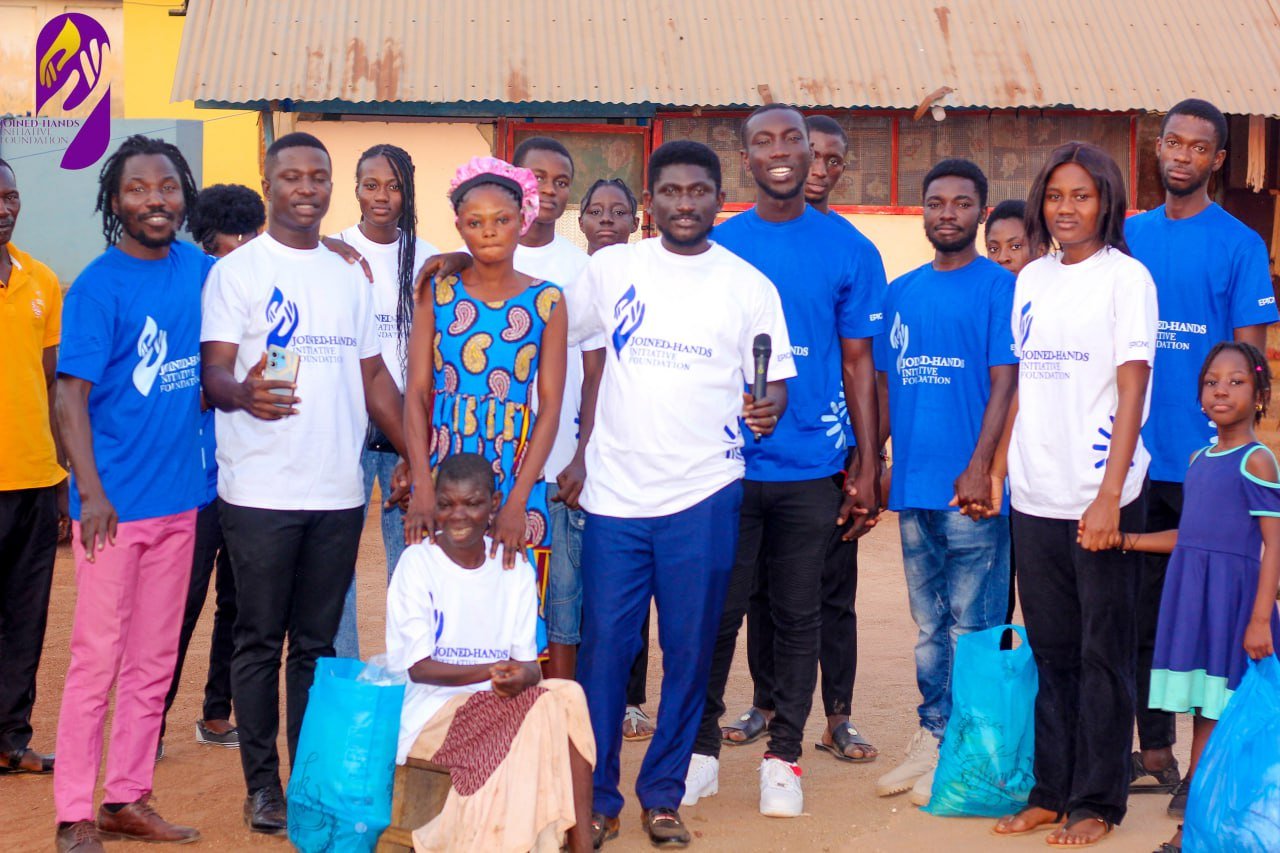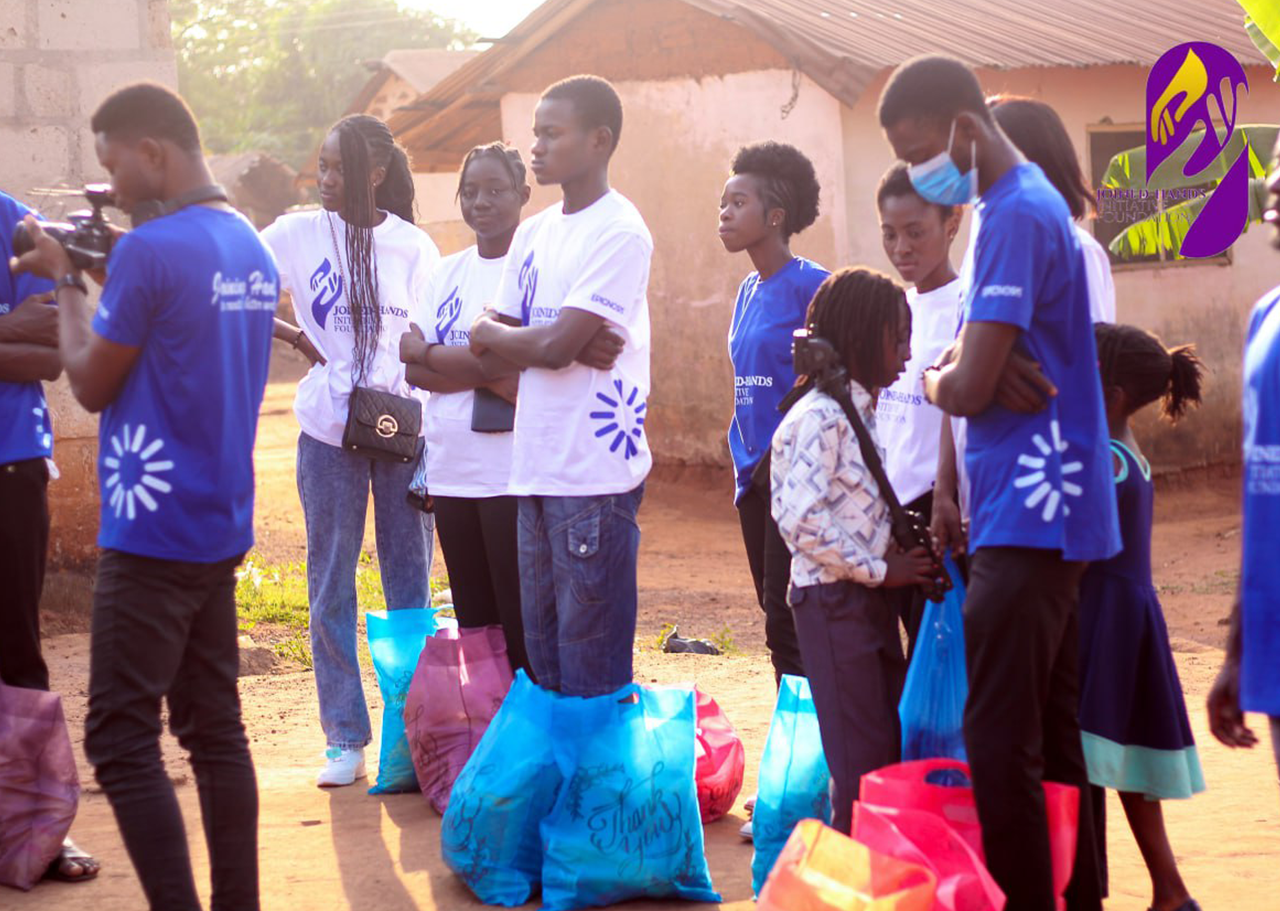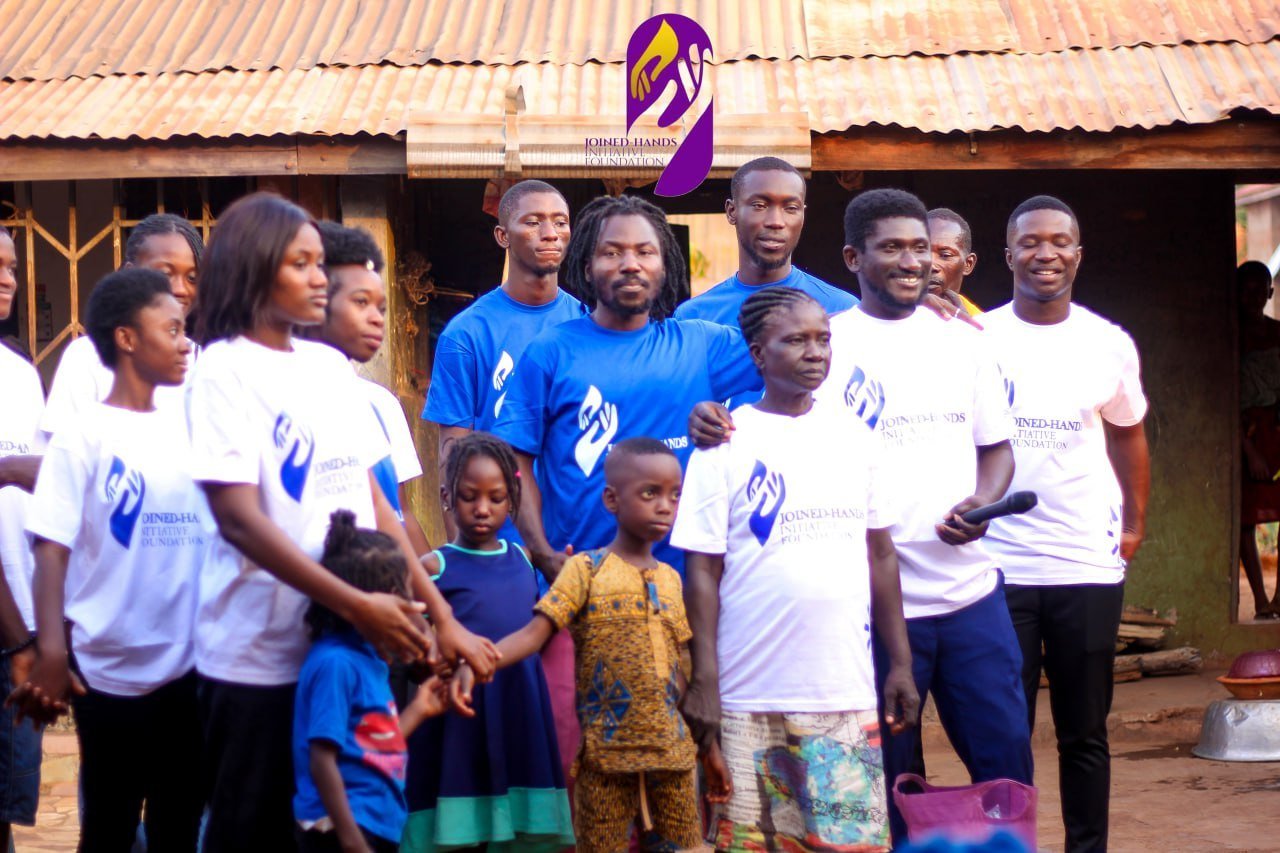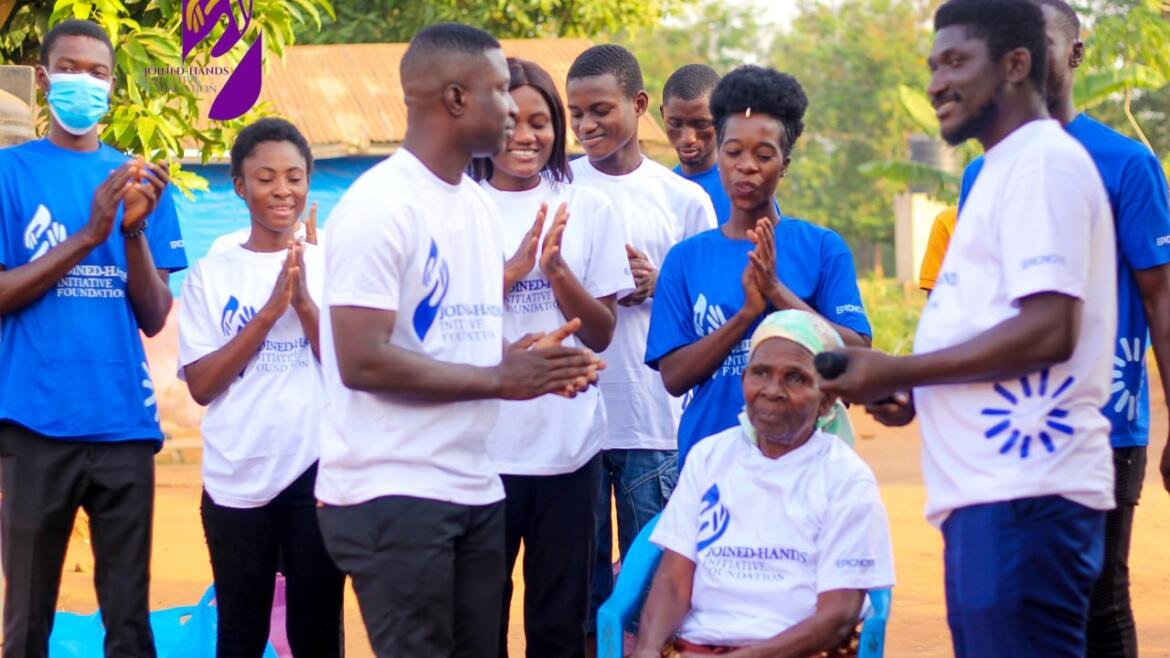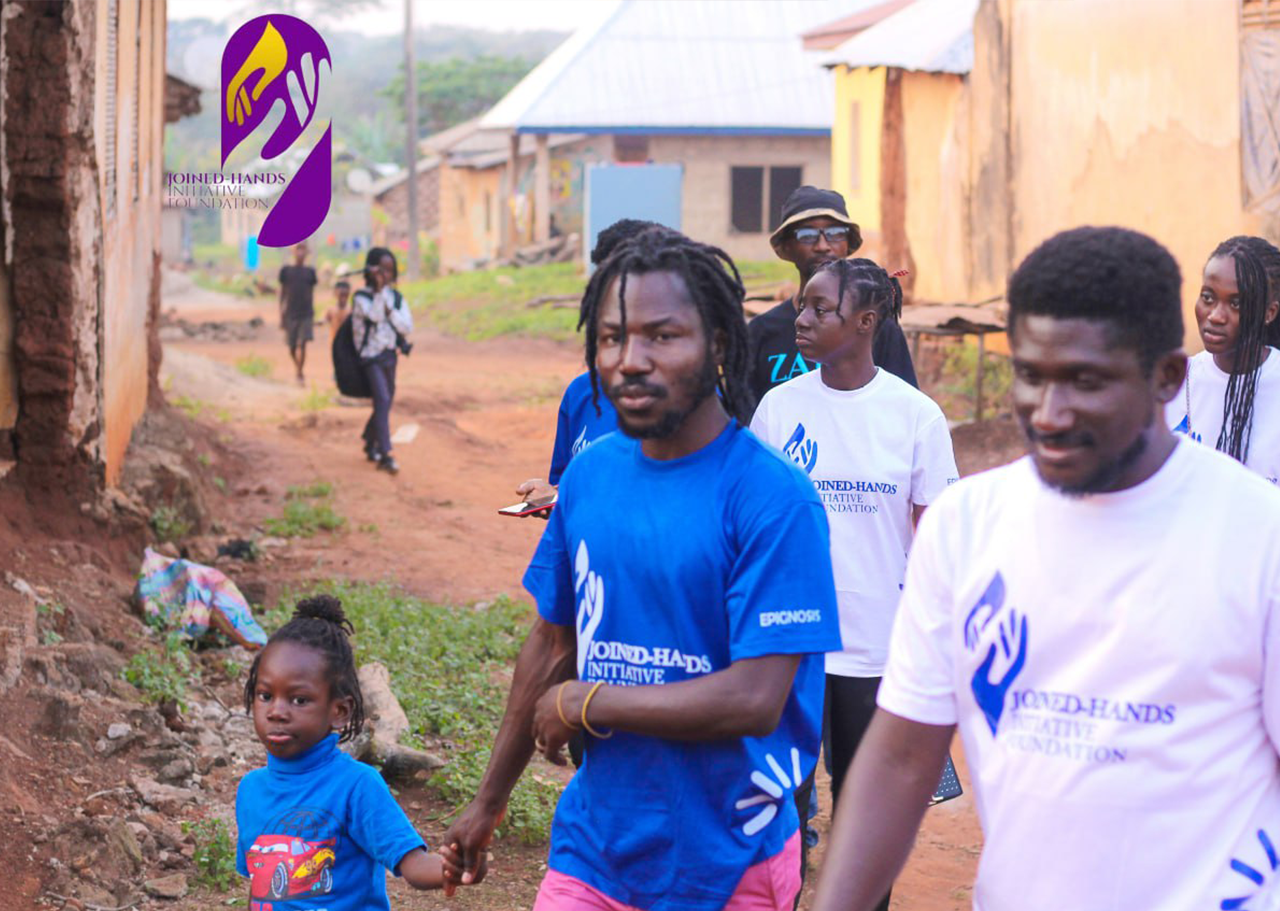

Joined-Hands Initiative Foundation LBG (JHIF) promotes human rights advocacy because we understand that dignity, justice, and freedom are not privileges; they are prerequisites for development without which social stability and human dignity can hardly exist. The world over, people fight for their fundamental rights and freedoms every day. These freedoms allow them to go to the doctor when they are sick, send their children to school, better their economic standing, and much more. Some can do these things without question. But what about those who cannot?
Institutions like the United Nations (UN) have universal documents like the Universal Declaration of Human Rights (UDHR) which declares that “all human beings are born free and equal in dignity and rights. They are endowed with reason and conscience and should act towards one another in a spirit of brotherhood” (United Nations 1948). In many developed countries, countless individuals enjoy their rights to equality, freedom of speech, access to education, right to one’s personal beliefs, right to own property, and right to health among others. This is because there are systems, both institutional and legislative, that work to uphold these rights. In sub-Saharan Africa, however, this is far from the case for many.
While Ghana is considered one of the continent’s beacons of democracy, access to justice, equity among gender, and protection of vulnerable groups are not equal among Ghanaian citizens. Data from the World Bank shows that inequality and lack of access to basic services for some of the country’s most vulnerable populations, particularly those in rural communities, continues to impede poverty reduction (World Bank 2023). Furthermore, data from the United Nations Development Programme’s Human Development Report states that social inequalities exacerbate poverty by affecting people’s ability to exercise their choices (UNDP 2022).
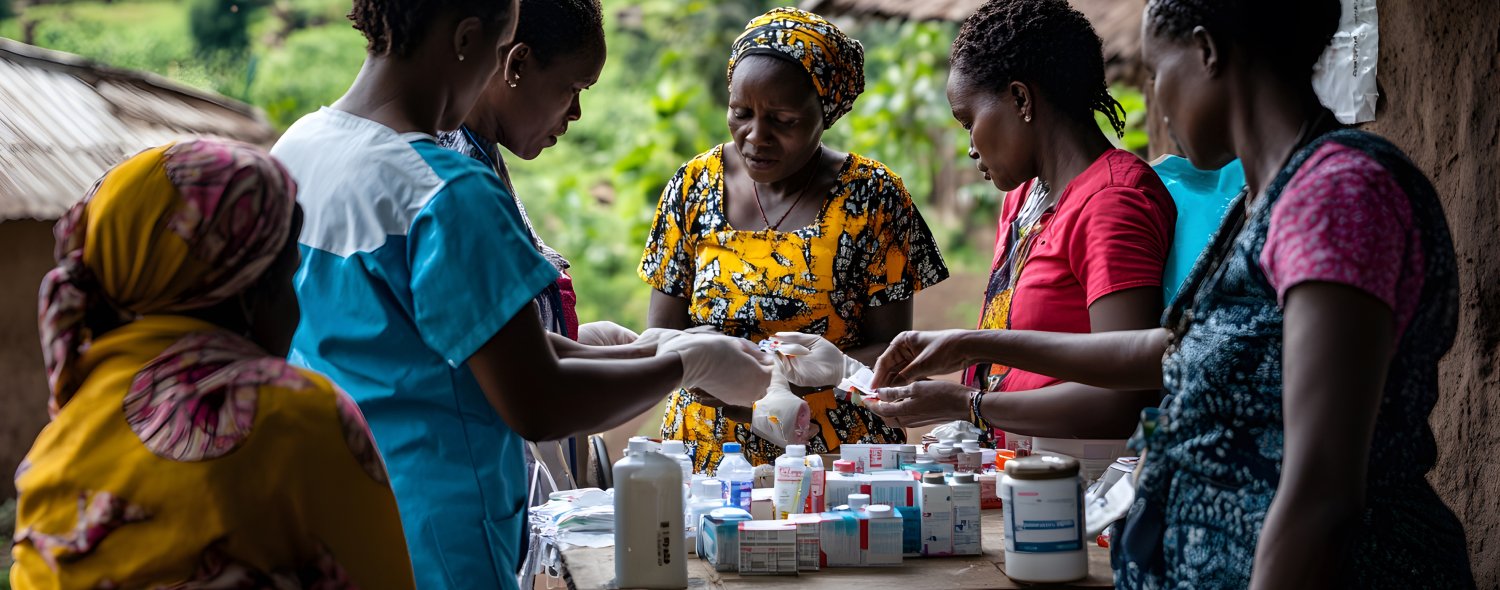
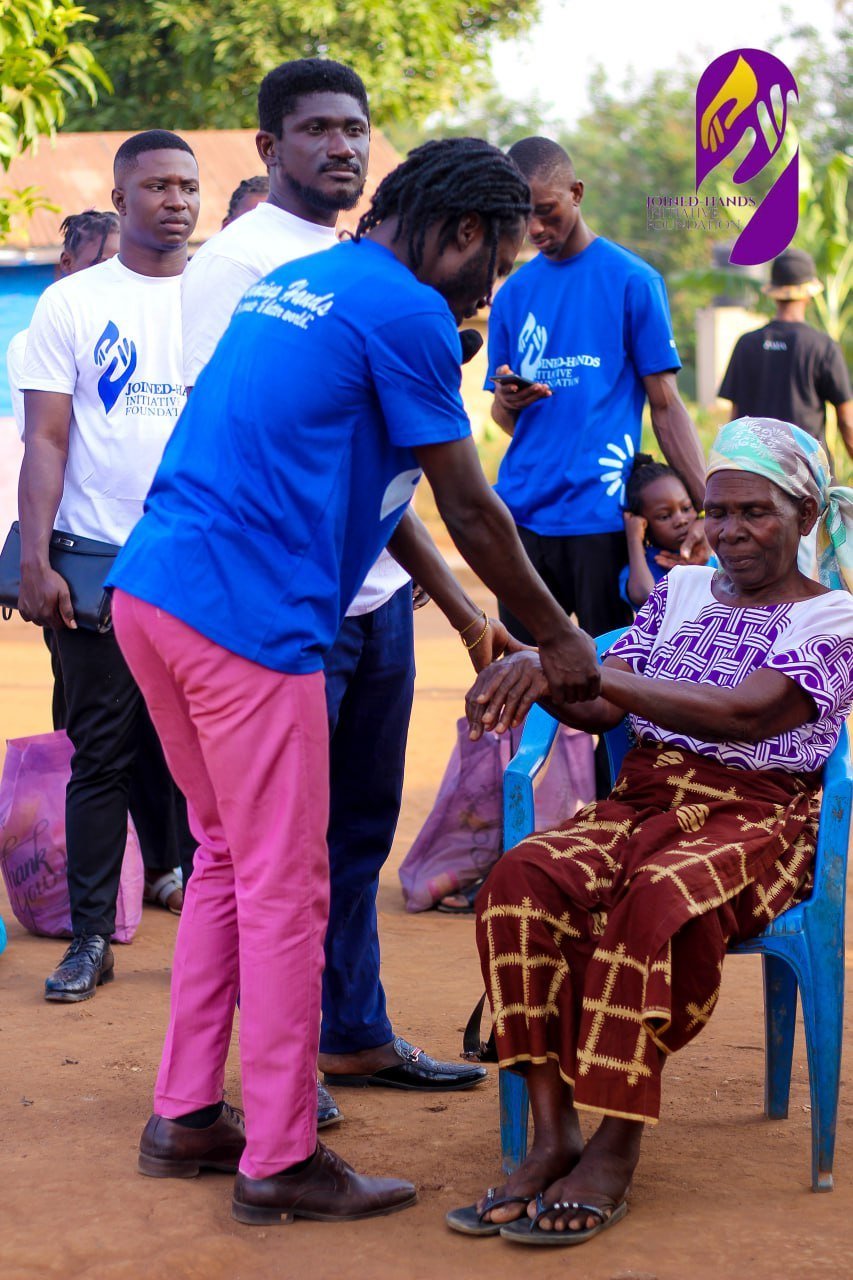
Healthcare is no exception to this. According to the World Health Organization (WHO), “the right to health means that everyone has the right to access timely, acceptable, and affordable health care of appropriate quality” (WHO 2023). If individuals are unaware of their rights or face barriers that prevent them from enjoying these rights, sicknesses and illnesses that are preventable become prevalent and those who are vulnerable in our society are further oppressed. This is why JHIF centers our initiatives around the people we serve. Many of the communities in which we provide healthcare lack access to consistent, quality healthcare and education. By failing to provide these necessities, we perpetuate the cycle of vulnerability.
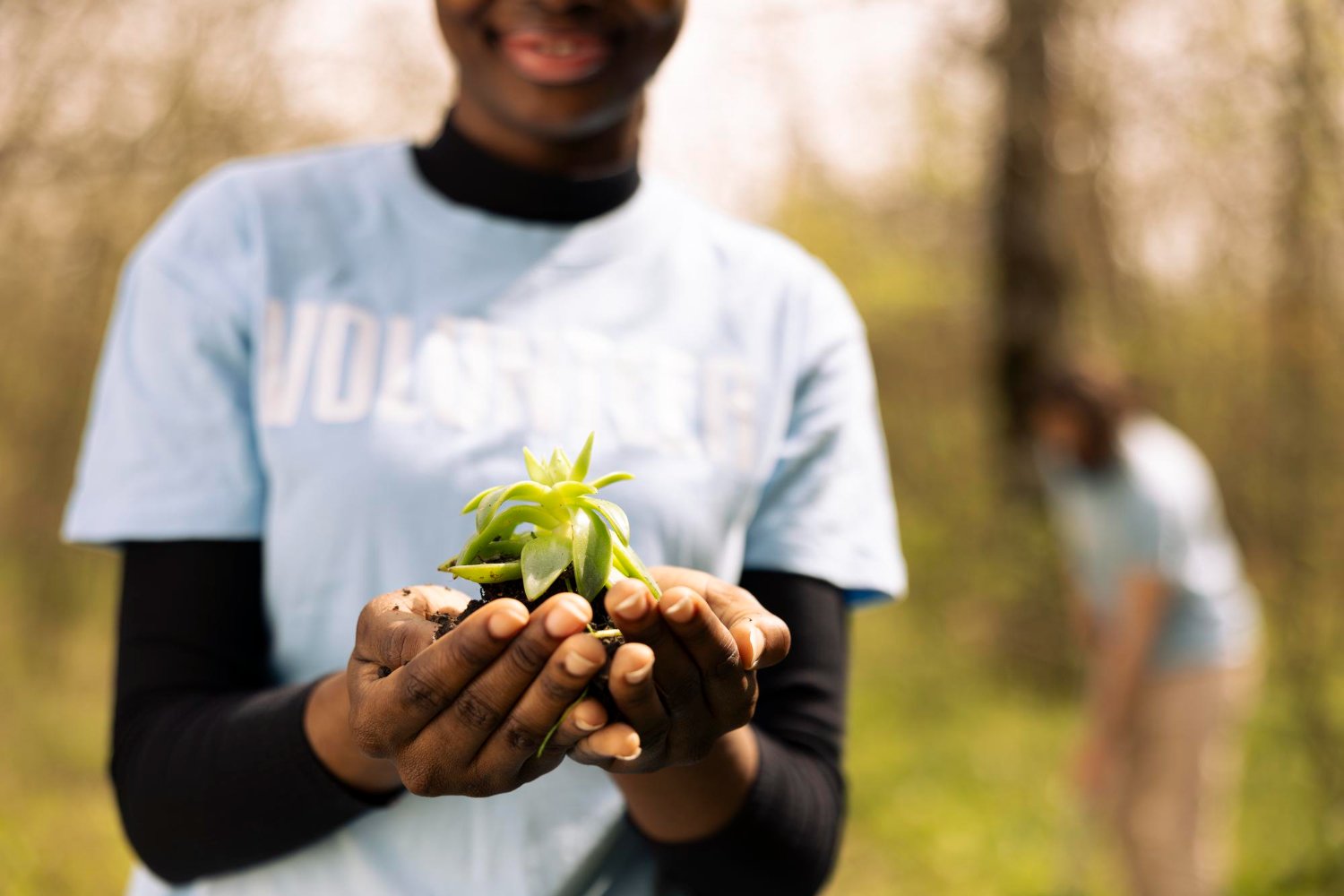
Human rights advocacy is threaded throughout each of our five pillars. At JHIF, we understand that providing access to quality healthcare, uplifting youth, cleaning our oceans, and donating to crisis-stricken communities are all acts of advocacy. Offering free health screenings advocates for the right to health. Youth empowerment and mentorship advocates for the right to education and better one’s self. Cleaning up our oceans and environmental action advocacy champions the right to a safe, sustainable environment.
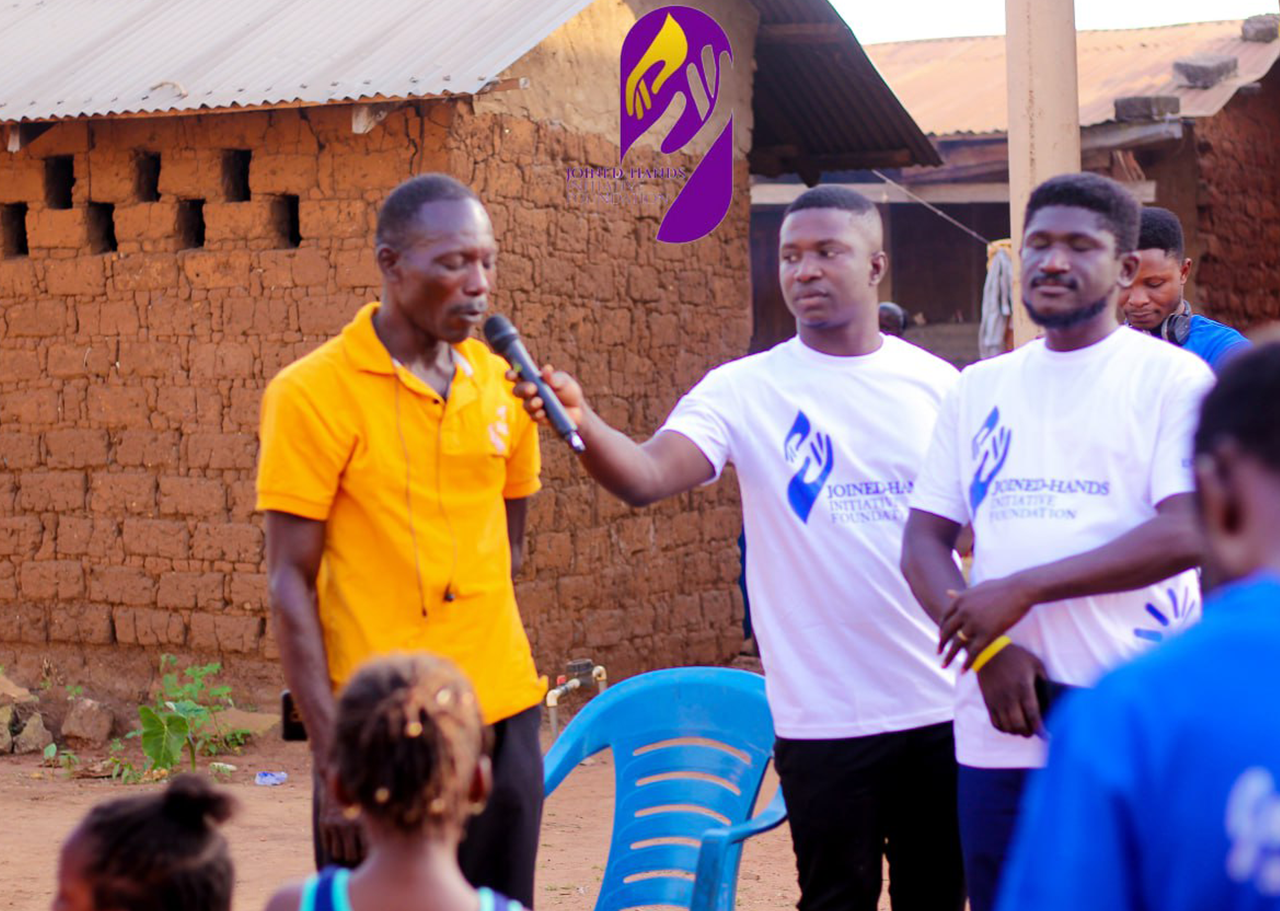
We also believe in education. Studies have found that community-based rights education programs can lead to higher rates of civic engagement and more accountability within local government structures (Joshi 2013). Through our community outreach programs, JHIF has the opportunity to teach community members about their rights and responsibilities. With this knowledge, they can make better decisions and stand up for themselves.
Women and girls experience systemic injustices due to imbalanced gender structures. According to UNICEF, gender inequality in education, employment, and maternal health are but some of the effects of gender inequality among women and girls in sub-Saharan Africa (UNICEF 2023). JHIF aims to close these gaps within our communities through inclusive, equitable, and empowering programs.
Last but not least, advocating for human rights promotes peace and strong communities. When people have access to their rights, live in fair, equal, and just societies, they are more likely to thrive. Not only do they live happier and healthier lives, but they are more economically productive. The UN has found that societies with inclusive institutions that respect human rights enjoy faster and more sustainable rates of development (UN 2022).
Promoting and advocating for the rights and freedoms of our fellow man and woman is not a separate initiative at JHIF. It is ingrained in our mission and extends into everything we do. From our healthcare outreaches to empowering youth, protecting the environment, and giving to humanitarian crises, advocacy will always be at the core of our foundation because we put humanity first.
Inequalities will always exist and will always affect people’s opportunities in life. But advocacy doesn’t have to be blind. Here at JHIF, we believe in intentional, research-backed advocacy. We understand that when people know their rights and how to exercise them, real change can happen.
References
Joshi, Anuradha. 2013. “Do They Work? Assessing the Impact of Transparency and Accountability Initiatives.” Development Policy Review.
United Nations. 1948. Universal Declaration of Human Rights.
United Nations. 2022. Sustainable Development Goals Report.
United Nations Development Programme (UNDP). 2022. Human Development Report.
UNICEF. 2023. State of the World’s Children Report.
World Bank. 2023. World Development Indicators.
World Health Organization (WHO). 2023. Right to Health Fact Sheet.